
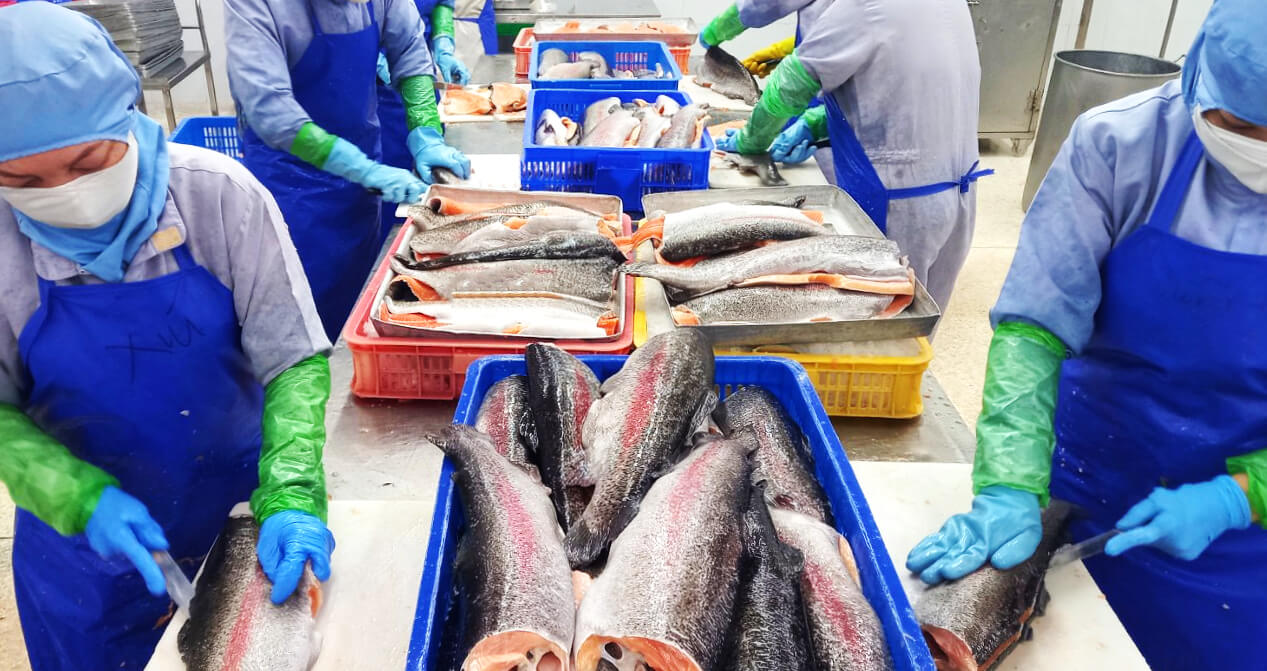

Selling a more finished product does not automatically leave a processor with a better margin. In value-added seafood production, each additional step should solve a problem that a customer is willing to pay to remove. Portioning, coating or preparing a meal component can create an opportunity, but the business case needs to account for yield, operating demands and the market for everything the process produces.
Identify the Customer Benefit Before Adding a Process
Start by describing the work the customer would otherwise have to do. A consistent portion may help a caterer control servings, while a prepared retail product may make a familiar meal easier to cook. That benefit gives the processor something specific to test with buyers, rather than assuming that extra preparation will justify a higher price.
Confirm how the product would be bought and used. A promising tasting session is different from a repeatable order with an agreed specification and realistic volume. Discuss pack sizes, delivery frequency and the price range the intended customer can support before committing to specialist equipment or printed packaging.
Keep the first product focused. Introducing several flavours and formats at once can make it difficult to identify which version customers actually want, while increasing changeovers and stock commitments. A narrower trial allows the business to learn from repeat purchases and complaints before expanding the range.
Calculate the Return from the Whole Batch
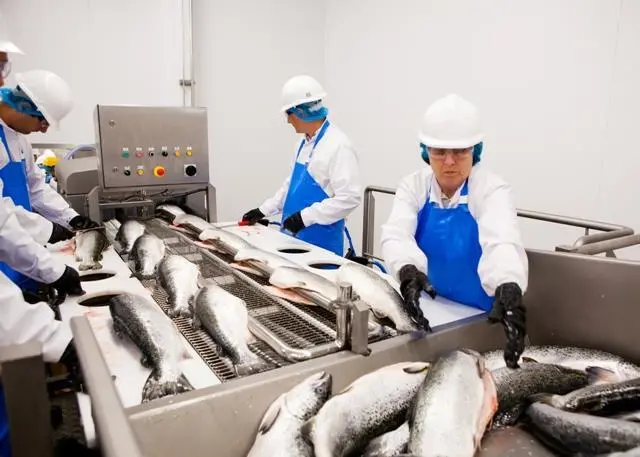
Measure what happens to the raw material through the proposed process. Record the main finished product, usable secondary cuts and material that cannot enter the intended product. A high selling price for selected portions can look less attractive when the yield is low and the remaining material has no reliable outlet.
Separate the extra revenue from the costs of achieving it. Ingredients, packaging, labour, energy and quality checks all contribute, alongside rejects and cleaning time. Compare the contribution from the proposed batch with the return available from the simpler product you could otherwise sell. That comparison is more informative than looking at the new selling price in isolation.
Include the effect on stock and cash. A customer-specific recipe or pack may be difficult to sell elsewhere if an order changes. Establish who carries the cost of unused materials and whether the expected ordering pattern justifies keeping them available. These commitments can make a seemingly profitable product harder to manage commercially.
Check Whether the Existing Operation Can Support It
Adding a process may alter the factory’s capacity in ways the trial does not reveal. Coating or packing might fit the available line, yet create a bottleneck in freezing, storage or dispatch. Assess the whole route through production, including cleaning and the time needed to change back to other products.
The technical team also needs to review any changes to the recipe, process and packaging. New ingredients can affect allergen controls, and a different product format may require new preparation instructions or shelf-life evidence. These requirements should be built into development time and cost rather than treated as details to settle after the first commercial order.
Secondary products need equally realistic planning. Identify a buyer, an acceptable specification and a handling route before counting their revenue in the forecast. There can be opportunities in making useful products from fish-processing by-products, but each outlet brings its own quality, storage and regulatory requirements. Material intended for one use should not be assumed suitable for another.
Further processing earns its place when repeat demand supports the full cost of producing and supplying the item. Use an initial commercial run to check yield, time and customer acceptance, then compare the result with the original business case. Expand where the evidence supports it, keeping the return from the whole batch in view.
Comments are closed.